

Many people carry pain they did not ask for. They inherit family patterns, emotional wounds, silence, rejection, and instability before they even understand what those things mean. That is why Legacy Starts With Me is such an important book for readers who are serious about healing and breaking generational cycles.
This book is not only about what happened in the past. It is about what a person chooses to do after the pain. Through faith, discipline, motherhood, grief, and personal growth, the book shows how pain can become purpose when it is faced with honesty.
The message is clear and powerful: you may not control what you were born into, but you can decide what continues through you. That is the heart of legacy.
Understanding the Core Message of Legacy Starts With Me
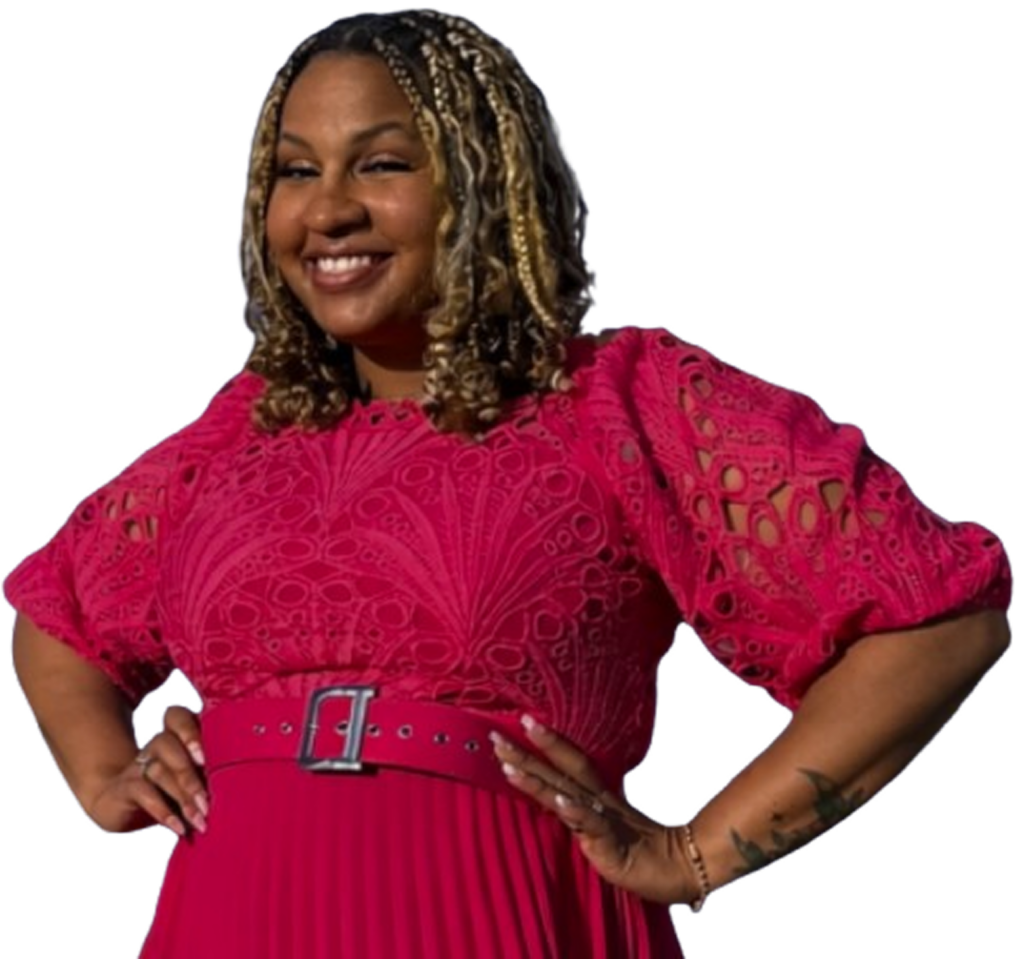
_ Legacy Starts With Me_ tells the story of Tori Berry’s journey from childhood instability into faith, healing, and intentional legacy building. The manuscript begins with difficult family realities, including teen parents, father absence, emotional uncertainty, and the feeling that belonging was not always secure.
What makes the book meaningful is the way it refuses to tell a one-sided story. The author does not simply blame her family. She looks deeper and recognizes that many people who hurt others are also carrying wounds they never healed.
This gives the book emotional maturity. It shows that healing does not require denying the truth, but it also does not require living in bitterness forever.
From Pain to Awareness
One of the first steps in breaking generational cycles is awareness. Many people repeat patterns because they never stop to name them. They think emotional distance, silence, instability, or poor communication is normal because it is what they saw growing up.
The book shows how awareness begins when the author starts looking honestly at her childhood. She realizes that some of the people who loved her did not always have the tools to love her well. That is a hard truth, but it is also a freeing one.
Pain becomes different when you understand it. It no longer controls you in the same way. Awareness gives language to what once only felt confusing.
Love Without Tools Can Still Wound
One of the strongest lessons in the book is that love alone is not always enough. A parent can love a child and still lack emotional regulation, communication skills, consistency, or healing. The author makes this point with deep honesty.
This idea will connect with many readers because it explains a painful reality. Some families are not completely loveless, but they are still unhealthy. There may be affection, laughter, and good intentions, but underneath, the foundation may be unstable.
The book helps readers understand that healing family wounds requires more than good feelings. It requires tools, wisdom, boundaries, and the willingness to do things differently.
Faith as the Turning Point
Faith is one of the main foundations of the book. The author’s spiritual journey is not presented as perfect or easy. Instead, faith becomes something she grows into through grief, confusion, responsibility, and personal revelation.
Her relationship with God gives her strength to see her life differently. Instead of viewing every painful experience as random, she begins to understand that she was being prepared for purpose. That does not make the pain easy, but it gives the pain meaning.
This is where the book becomes especially powerful for faith-based readers. It reminds them that God can use even broken places to build wisdom, compassion, and strength.
Discipline Turns Survival Into Direction
Pain can make a person reactive. When someone grows up in instability, they may learn how to survive but not always how to build. That is why discipline becomes such an important part of the author’s story.
Her time in the military gives her structure and proves that she can endure pressure without falling apart. Discipline helps her move from drifting into intentional living. It becomes a form of protection.
This lesson matters because purpose needs structure. A person can want a better life, but without discipline, old patterns can easily return. The book shows that discipline is not punishment; it is preparation.
Motherhood and the Decision to Break the Cycle
The middle of the book strongly connects pain with purpose through motherhood. When the author becomes a mother, she becomes even more aware of what she does not want her children to inherit.
She understands that children learn from tone, reactions, communication, boundaries, and consistency. She does not want her children to grow up wondering if they are chosen or secure. She wants them to experience stability as normal.
This is one of the most important parts of breaking generational cycles. The author’s healing is not only personal. It becomes protective. Her purpose is not just to survive her story, but to make sure her children receive a better one.
Readers who connect with this message can Buy the book at Amazon and use it as a guide for reflection, healing, and family growth.
Grief Opens the Door to Compassion
Another important part of the book is the author’s grief after her mother’s illness and death. Through that painful season, she begins to see her mother with a new understanding. She recognizes that her mother was also carrying trauma, pain, and unhealed wounds.
This does not erase what the author experienced. But it allows her to see the bigger picture. Her mother was not only a source of pain; she was also a wounded person who needed help, protection, and healing.
That kind of compassion is powerful. It shows that healing does not mean pretending nothing happened. It means seeing the truth with mature eyes and deciding not to pass the pain forward.
Boundaries Are Part of Healing
The book also teaches that compassion must be paired with boundaries. Understanding someone’s pain does not mean giving them unlimited access to your life. Forgiveness does not always mean closeness.
This is one of the most practical lessons in Legacy Starts With Me. The author learns that some relationships cannot continue in the same way if she wants to protect her peace, her children, and her future.
Boundaries are not presented as anger. They are presented as wisdom. They help stop old wounds from entering new spaces.
Why the Workbook Matters
The workbook companion makes the book more than a memoir. It gives readers space to examine their own emotional inheritance, family patterns, spiritual life, boundaries, and legacy goals.
This is important because readers are not only being told a story. They are being invited to ask honest questions about their own lives. What patterns did they inherit? What have they normalized? What needs to end with them?
That practical section helps the book become a tool for healing. It can be useful for personal reflection, women’s groups, church groups, family discussions, or anyone doing serious inner work.
Why This Book Is Important Today
Many people today are trying to raise families while still healing from their own childhoods. They are learning how to communicate, set boundaries, forgive, pray, go to therapy, and create homes that feel safer than the ones they came from.
_ Legacy Starts With Me_ matters because it gives language to that journey. It shows that healing is not always dramatic. Sometimes healing looks like consistency, prayer, discipline, honest conversations, and choosing a better response.
The book’s importance is in its message: your family history may explain you, but it does not have to control you.
Final Thoughts
From pain to purpose, Legacy Starts With Me is a book about choosing differently. It shows that faith can anchor you, discipline can steady you, and healing can change what the next generation receives.
The author’s story reminds readers that legacy is not automatic. It is built through decisions, boundaries, courage, and daily intentional choices.
For anyone focused on breaking generational cycles, this book carries a hopeful message: pain may be part of your story, but purpose can be the reason your story changes.
Check out the Home Page for more books.
